
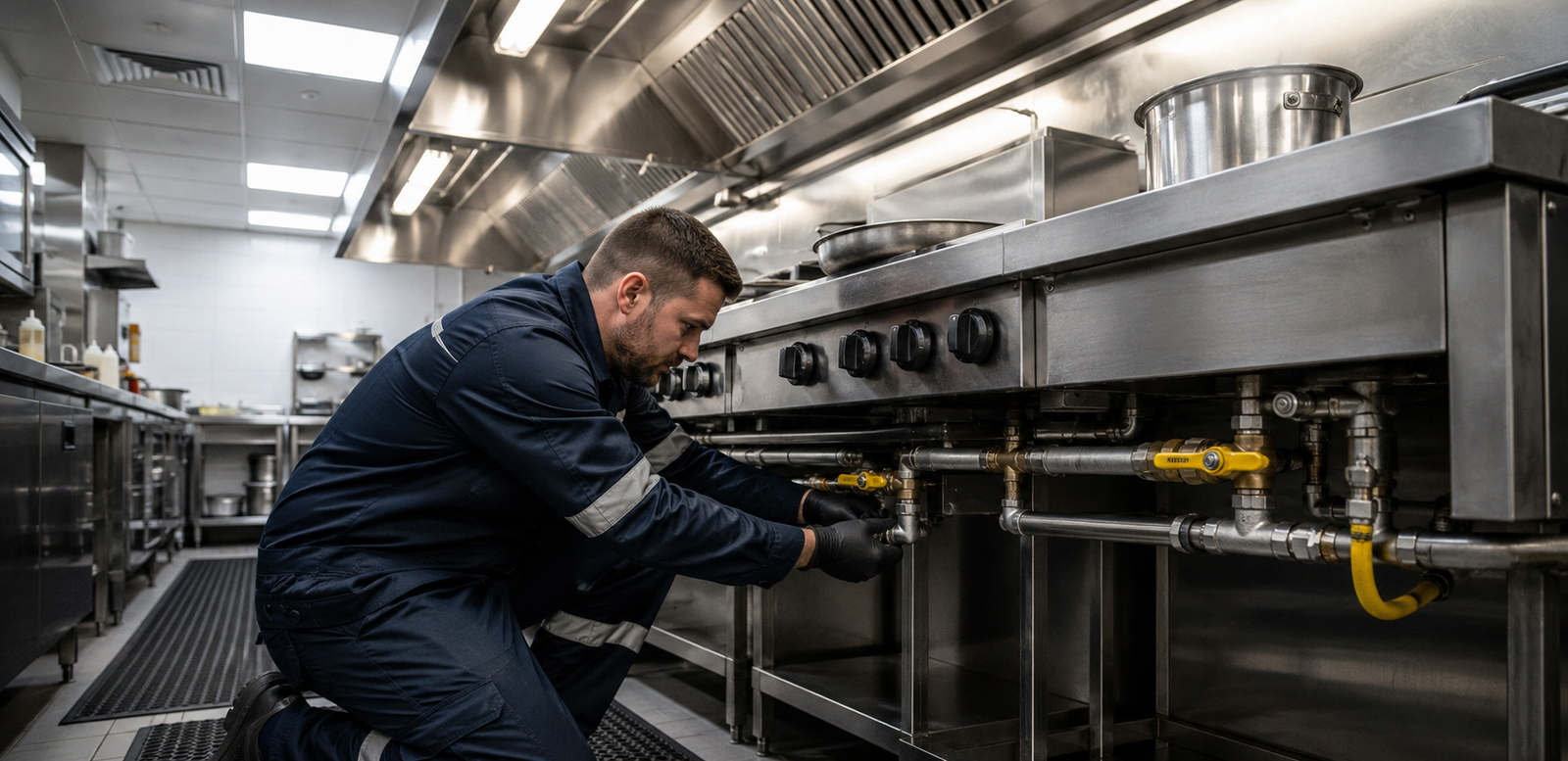
7 Essential Gas Safe Connections Checks Every UK Commercial Kitchen Should Know
This should target restaurant owners, takeaway operators, cafés, hotels and commercial-kitchen managers who are considering installation, refurbishment or gas-appliance upgrades.
HSE’s current catering guidance specifically addresses gas safety in hospitality and states that relevant gas work should be carried out by appropriately competent Gas Safe-registered engineers. It also highlights the relationship between gas appliances and properly designed kitchen ventilation.
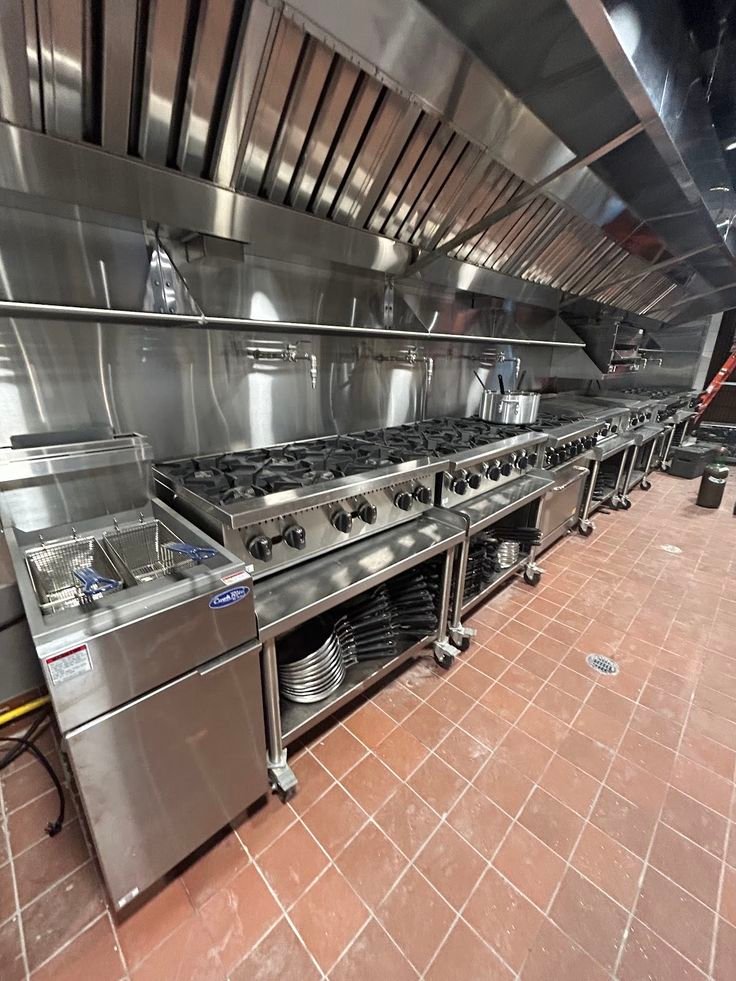
1. What Are Gas Safe Commercial Kitchen Connections?
Use this section to answer the query immediately.
Explain that commercial kitchen gas safe connections involve the safe connection of gas appliances, pipework and associated safety systems and should be designed and installed by appropriately qualified professionals.
Keyword entities:
- Gas Safe
- commercial gas engineer
- gas appliance
- gas pipework
- commissioning
- ventilation
2. Why Gas Safety Is Critical in Commercial Kitchens
Cover:
- Gas leaks
- Carbon monoxide
- Combustion
- Fire risk
- Staff safety
- Customer safety
- Business continuity
HSE’s catering guidance highlights issues including damaged pipework and connections, flame-supervision devices, appliance restraints and escaping-gas smells as matters staff should understand.
3. Check the Engineer’s Gas Safe Competence
Does every Gas Safe engineer work on every type of commercial gas appliance?
Don’t simply say “Gas Safe registered” and stop there.
Explain that businesses should verify that the engineer has the relevant competence/certification for the particular gas work and equipment involved. HSE specifically advises hospitality and catering employers to check that contractors have current relevant competence and to verify their Gas Safe credentials.
4. Inspect Commercial Kitchen Gas Pipework
Cover the importance of:
- Correct pipe sizing
- Appropriate materials
- Secure connections
- Isolation arrangements
- Appliance connections
- Protection from damage
- Accessibility for maintenance
Avoid giving DIY installation instructions because this is a safety-critical subject.
5. Coordinate Gas With Kitchen Ventilation
Don’t treat gas installation and extraction as separate subjects.
Explain the relationship between:
Gas appliances + combustion air + make-up air + mechanical extraction + kitchen canopy + flue arrangements
HSE states that properly functioning ventilation is important for kitchen safety and notes that a properly designed system with recorded performance characteristics can help gas engineers assess whether ventilation is appropriate for the cooking load.
6. Understand Commercial Kitchen Gas Interlock Systems
What is a gas interlock system?
Explain in simple language that a gas interlock can be part of a safety strategy linking the gas supply to ventilation/extraction conditions.
For example:
Gas supply → safety controls → ventilation/extraction status → appliance operation
Don’t claim that every commercial kitchen has an identical legal requirement. The appropriate system depends on the installation and applicable requirements.
Current Gas Safe/IGEM material specifically discusses commercial catering installations where mechanical ventilation or extraction lacks suitable interlock arrangements or has inappropriate overrides, demonstrating why this deserves a dedicated section.
7. Test, Commission & Document the Installation
Cover:
- Testing
- Commissioning
- Appliance operation
- Safety devices
- Ventilation performance
- Handover documentation
- Maintenance planning
HSE guidance states that gas appliances, flues, pipework and safety devices must be maintained in a safe condition and that relevant gas work should be undertaken by competent Gas Safe-registered engineers
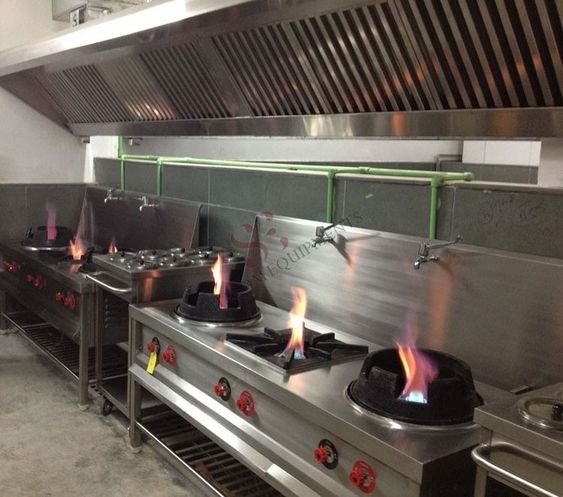
Important Comparison Table
| Area | What the Restaurant Owner Should Consider |
Gas appliance | Correct appliance and professional installation |
| Gas pipework | Correct design, sizing and secure connections |
Ventilation | Adequate ventilation for the kitchen load |
Extraction | Correctly designed commercial extraction |
Gas interlock | Appropriate safety/control arrangement |
Isolation | Accessible emergency isolation arrangements |
Commissioning | Testing and documented handover |
Maintenance | Planned inspection and servicing |
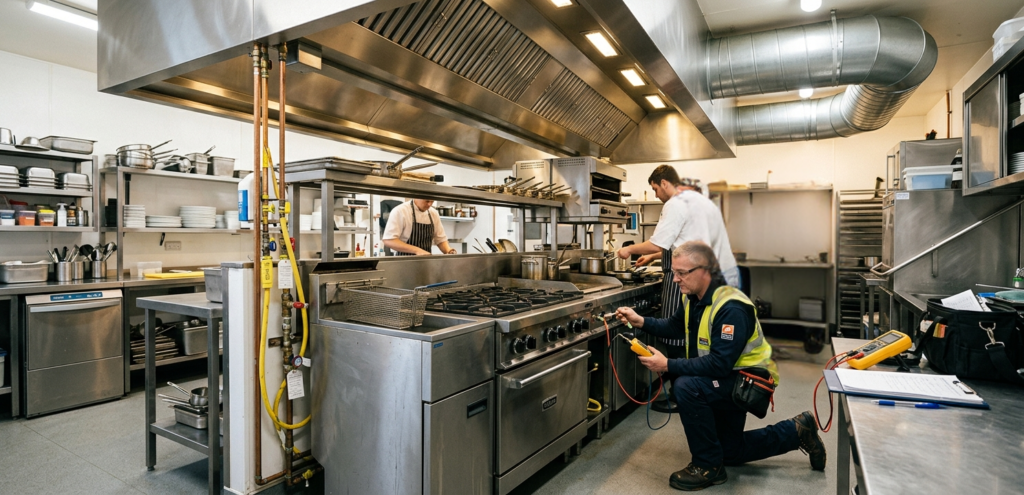
Why Choose Brightwork Builders for Commercial Kitchen Gas Safe Services?
Why Choose Brightwork Builders?
When planning a commercial kitchen installation or restaurant refurbishment, gas services should not be considered separately from the canopy, extraction, ductwork and ventilation systems. Brightwork Builders can coordinate these elements as part of a wider commercial kitchen project.
1. Commercial Kitchen Expertise
We understand the demands of restaurants, cafés, takeaways, hotels and other commercial food premises, where safe and efficient kitchen services are essential.
2. Gas & Ventilation Coordination
Commercial gas appliances and kitchen extraction need to work together. HSE guidance specifically highlights the importance of considering ventilation when assessing gas appliances in catering kitchens.
3. Complete Kitchen Solutions
Our commercial kitchen capabilities can include:
- Commercial kitchen canopy installation
- Kitchen extraction systems
- Commercial ductwork
- Ventilation and airflow design
- Gas interlock coordination
- Restaurant refurbishment
- Kitchen refurbishment
- Associated building services
4. Nationwide Commercial Projects
Brightwork Builders supports commercial kitchen and restaurant projects across the UK, making us suitable for businesses planning new installations, upgrades or refurbishment works.
5. One Project, Better Coordination
Coordinating multiple trades through one project team can make it easier to manage the relationship between gas, extraction, ductwork, electrical work and refurbishment.
6. Safety-Focused Approach
Gas work is safety-critical. We recommend that gas installation, testing and commissioning are undertaken by appropriately qualified professionals with the relevant Gas Safe competence for the work. This aligns with HSE guidance for catering and hospitality businesses.
7. Designed Around Your Kitchen
Every commercial kitchen has different appliances, layouts, extraction requirements and operating conditions. A professional assessment helps determine the appropriate solution rather than relying on a one-size-fits-all installation.
Frequently Asked Questions
1. What are Gas Safe commercial kitchen connections?
Gas Safe commercial kitchen connections involve the safe installation and connection of gas appliances, pipework and associated safety equipment in a commercial kitchen. Gas work should be undertaken by appropriately competent Gas Safe-registered engineers.
2. Does a commercial kitchen need a Gas Safe registered engineer?
Gas work covered by the Gas Safety (Installation and Use) Regulations should be carried out by a competent Gas Safe-registered engineer with the relevant competence for the particular equipment and work involved. Businesses should check the engineer’s current qualifications before work begins.
3. What should be checked before connecting commercial kitchen gas appliances?
The installation should consider the gas supply, pipework, appliance requirements, ventilation, flues where applicable, safety devices and commissioning requirements. The exact checks depend on the appliances and installation.
4. What is a gas interlock system in a commercial kitchen?
A gas interlock is a safety/control arrangement that can link the gas supply to the operation of ventilation or extraction equipment. HSE guidance notes that where extraction serves as the flue for certain gas appliances, an appropriate interlocking system connecting airflow to the gas supply is required.
5. Why is ventilation important for commercial kitchen gas appliances?
Adequate ventilation provides combustion air and helps remove heat, fumes and combustion products. Poorly designed or inadequate ventilation can create serious safety risks, including carbon-monoxide accumulation.



[…] For a full breakdown of all gas safety obligations in a commercial kitchen environment — including pipework, appliance connections, and engineer qualifications — read our related guide: Gas Safe commercial kitchen connections: 7 essential checks. […]